

I bambini che seguono una dieta varia e, equilibrata, ricca di frutta e verdura, non corrono generalmente il rischio di carenze nutrizionali, a condizione che non presentino patologie preesistenti che possano limitare l’assorbimento di vitamine e minerali. Tuttavia, la realtà è che molti bambini sono schizzinosi a tavola, e spesso preferiscono dolci e snack industriali a pasti genuini. Questo può portare rapidamente a un'alimentazione scorretta, a carenze nutrizionali e a una serie di problemi — da un calo di energia e sbalzi d'umore a preoccupazioni di salute più gravi. Non sorprende quindi che i genitori ricorrano sempre più spesso agli integratori alimentari per colmare queste carenze. Ma è sempre l'approccio giusto?
Gli integratori alimentari sono sicuri per i bambini?
Gli integratori specificamente formulati per i bambini sono progettati tenendo conto della loro sicurezza. Contengono vitamine e minerali in quantità che rientrano negli intervalli di riferimento stabiliti per specifiche fasce d'età. La condizione fondamentale è che vengano somministrati secondo le istruzioni di dosaggio del produttore: il superamento delle quantità raccomandate può portare a effetti collaterali indesiderati.
Un approccio ragionevole consiste nello scegliere prodotti che non contengano concentrazioni eccessivamente elevate di singoli nutrienti. Questo è particolarmente importante per il ferro, la vitamina A, e la vitamina D, che possono diventare dannose a dosi elevate. È altrettanto importante avere aspettative realistiche: gli integratori non potenzieranno miracolosamente l’immunità di un bambino dall’oggi al domani né miglioreranno improvvisamente le sue prestazioni cognitive. E non dovrebbero mai essere utilizzati come sostituto di un trattamento medico: se un bambino non sta bene, consultare un medico è sempre la cosa migliore da fare.
Quali integratori possono essere somministrati ai bambini?
Vitamina D
La vitamina D è uno dei primi integratori introdotti nella vita di un bambino — e uno di quelli che spesso viene assunto per il periodo più lungo. La principale fonte naturale di vitamina D è la luce solare, il che rende il gioco all'aperto la migliore forma di "integrazione". Tuttavia, durante l'autunno e l'inverno, quando l'esposizione alla luce solare è significativamente ridotta in tutta Europa, i livelli di vitamina D diminuiscono naturalmente. Gli studi hanno dimostrato che ben l'80% dei bambini di età compresa tra 1 e 3 anni presenta livelli insufficienti di vitamina D, e, poiché i bambini necessitano di una quantità proporzionalmente maggiore di questa vitamina rispetto agli adulti, i pediatri raccomandano spesso l'integrazione durante i mesi più bui.
Quando si ricorre all’integrazione, è generalmente preferibile scegliere preparati a base di sola vitamina D — sotto forma di olio di fegato di merluzzo o gocce di vitamina D isolata — piuttosto che affidarsi a multivitaminici. Ciò consente un dosaggio più preciso ed evita il rischio di un’eccessiva integrazione di altri nutrienti. Sfoglia la nostra collezione di vitamina D per opzioni adatte ai bambini, comprese gocce liquide di marche affidabili.
Zinco
Lo zinco è un minerale che dovrebbe provenire principalmente da una dieta ben bilanciata. Svolge un ruolo centrale nella funzione immunitaria, motivo per cui potrebbe valere la pena considerare un aumento dell'assunzione durante il picco della stagione di raffreddori e influenza. Tuttavia, le fonti alimentari dovrebbero rimanere la base: gli alimenti ricchi di zinco includono pesce, uova, legumi e prodotti a base di cereali integrali. L'integrazione può fungere da supporto aggiuntivo quando l'assunzione alimentare è insufficiente, in particolare durante i periodi di maggiore rischio di infezione.
Acidi grassi omega-3
Gli acidi grassi omega-3 sono tra i nutrienti più importanti per un bambino in fase di crescita. Spesso descritti come "cibo per il cervello, ", sostengono lo sviluppo cognitivo e possono anche contribuire a una sana funzione immunitaria e a una risposta infiammatoria equilibrata. Se la dieta di un bambino è povera di pesce grasso, l'integrazione aggiuntiva di omega-3 diventa particolarmente importante. Anche fonti vegetali come l'olio di colza, le noci, e i semi di lino possono contribuire all'assunzione di omega-3, sebbene forniscano la forma ALA, meno biodisponibile, piuttosto che EPA e DHA.
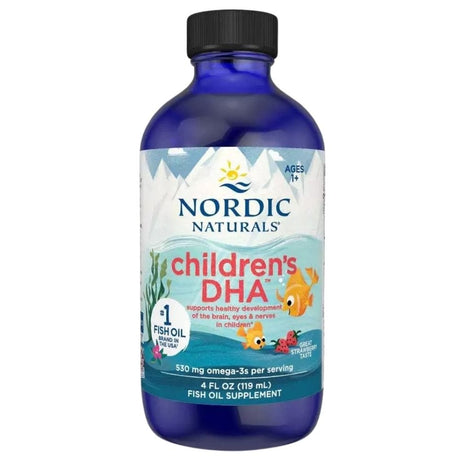


Nordic Naturals
Nordic Naturals DHA per bambini , st RAW gusto frutti di bosco - 119 ml
Prezzo normale €19.69Prezzo unitario€165.46 /l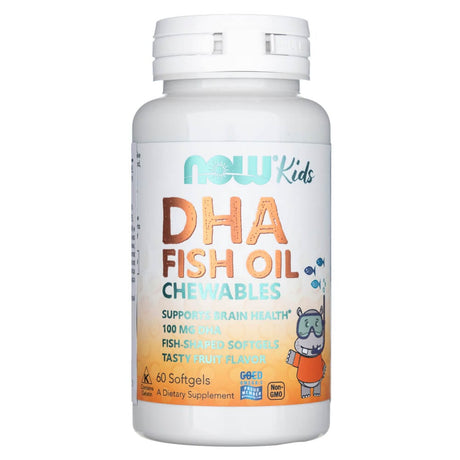


Now Foods
Now Foods DHA Bambini Masticabile - 60 Capsule Morbide
Prezzo normale €13.79Prezzo unitario€0.23 per ciascun articolo

Vitaler's
Vitaler's Vitamina D3 Junior 800 UI, gocce - 30 ml
Prezzo normale €4.59Prezzo unitario€1.53 /10ml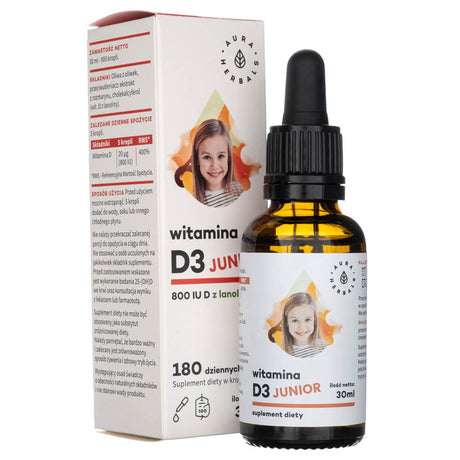


Aura Herbals
Aura Herbals Vitamina D3 Junior , gocce 800 UI - 30 ml
Prezzo normale €4.99Prezzo unitario€166.33 /l


Vitaler's
Vitaler's Olio di fegato di merluzzo norvegese Omega-3 1200 mg per bambini - 250 ml
Prezzo normale €9.99Prezzo unitario€39.96 /l


Quali integratori vanno assunti con cautela?
Vitamina C
La vitamina C è uno degli integratori più comunemente somministrati ai bambini — e agli adulti. Tuttavia, la credenza diffusa che la vitamina C prevenga il raffreddore, ne accorci la durata, o ne acceleri la guarigione Ecover non è stata costantemente supportata dalla ricerca scientifica. Ciò che è forse ancora più importante comprendere è che la vitamina C può essere assunta in dosi eccessive. Quantità eccessive possono contribuire alla formazione di calcoli renali e, in casi estremi, causare persino danni renali permanenti. Ciò non significa che i bambini debbano evitare la vitamina C, ma piuttosto che dovrebbero assumerla da frutta e verdura come parte della loro dieta quotidiana, il che è generalmente sufficiente senza bisogno di integratori aggiuntivi.
Vitamina E
La vitamina E è un popolare antiossidante, talvolta pubblicizzato per le sue proprietà protettive. Tuttavia, dosi elevate di vitamina E sono state associate a potenziali rischi per la salute, e nei bambini, il sovradosaggio può essere particolarmente pericoloso. Il modo più sicuro per garantire un adeguato apporto di vitamina E è attraverso le fonti alimentari — in particolare spinaci e altre verdure a foglia verde — piuttosto che tramite integratori.
Multivitaminici
I multivitaminici sono comodi per i genitori — sembrano coprire tutte le esigenze in un unico prodotto. Tuttavia, nella maggior parte dei casi, una dieta ben bilanciata fornisce già la maggior parte delle vitamine essenziali. I genitori che danno ai propri figli latte artificiale dovrebbero prestare particolare attenzione, poiché combinare il latte artificiale con un integratore multivitaminico può portare a un'assunzione eccessiva di determinati nutrienti — in particolare la vitamina A, che a dosi elevate può causare perdita di capelli, irritabilità, e problemi digestivi o neurologici.
Un approccio pratico all'integrazione alimentare dei bambini
Nella maggior parte dei casi, i bambini non necessitano di una vasta gamma di integratori alimentari. L'approccio più basato sull'evidenza consiste nel concentrarsi su singoli nutrienti laddove sia stata identificata una necessità specifica — come la vitamina D durante i mesi invernali o gli omega-3 se l'assunzione di pesce è bassa — piuttosto che ricorrere a multivitaminici ad ampio spettro. Gli integratori a ingrediente singolo consentono un migliore controllo del dosaggio e riducono il rischio di sovradosaggio involontario.
Soprattutto, qualsiasi programma di integrazione per un bambino dovrebbe idealmente essere discusso con un operatore sanitario. Un pediatra può valutare se esiste effettivamente una carenza, raccomandare prodotti e dosaggi appropriati, e aiutare a evitare un'integrazione non necessaria o potenzialmente dannosa. Per i genitori alla ricerca di opzioni affidabili, e adatte all'età, il nostro La collezione di integratori per la salute dei bambini presenta prodotti accuratamente selezionati di marchi come Nordic Naturals, Solgar, Now Foods, e Vitaler's.
Per un supporto aggiuntivo durante i mesi più freddi, prendi in considerazione l'abbinamento di un integratore di vitamina D adatto ai bambini con i prodotti della nostra gamma di supporto immunitario — sempre previa consultazione con il medico di tuo figlio.
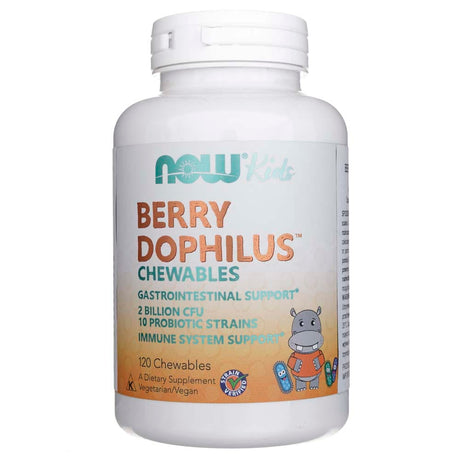


Now Foods
Now Foods Berry Dophilus Kids - 120 compresse masticabili
Prezzo normale €21.49Prezzo unitario€0.18 per ciascun articolo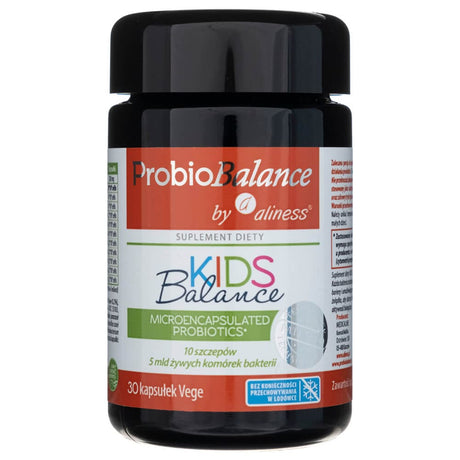


Aliness
Aliness ProbioBalance Kids Probiotici e prebiotici - 30 capsule vegetali
Prezzo normale €8.19Prezzo unitario€0.27 per ciascun articolo


Conclusione chiave: Gli integratori alimentari possono essere sicuri per i bambini se scelti con cura, dosati correttamente, e utilizzati per colmare specifiche carenze nutrizionali piuttosto che come soluzione generica. Una dieta varia rimane la base migliore per la salute di un bambino, e qualsiasi integrazione dovrebbe essere guidata da un parere medico professionale.
Questo articolo ha solo scopo informativo e non sostituisce il parere medico. In caso di problemi di salute, gravidanza, allattamento o assunzione di farmaci, consulta un medico o un farmacista. Gli integratori alimentari non sostituiscono una dieta variata.


