

Proliferazione fungina: un termine che suona un po’ oscuro, ma che descrive una condizione sorprendentemente comune. La ricerca dimostra che la maggior parte delle persone non è a conoscenza della malattia, dei suoi sintomi, e dei fattori che la scatenano. La scomoda verità è semplice: tutti sono a rischio. Quindi, come si affronta la proliferazione fungina in modo efficace e a lungo termine? Ecco cosa devi sapere, sia che tu ne soffra già, sia che tu voglia prevenirla.
Che cos'è la proliferazione fungina?
La proliferazione fungina, talvolta chiamata candidosi sistemica o micosi, è una condizione patologica in cui le cellule fungine invadono gli organi interni e possono persino entrare nel flusso sanguigno, consentendo all'infezione di diffondersi in tutto il corpo. Delle circa 250.000 specie fungine conosciute, solo circa 200 possono causare malattie nell'uomo — tuttavia due generi, Candida spp. e Aspergillus spp., rappresentano la stragrande maggioranza delle infezioni. Qualsiasi organo o sistema corporeo può essere colpito, il che, nel tempo, può portare a gravi disfunzioni e, nei casi più gravi,, alla sepsi.
I dati epidemiologici provenienti dall’Europa indicano che l’incidenza delle micosi sistemiche è in costante aumento. Le stime suggeriscono che solo circa il 20% di tutti i casi venga mai diagnosticato, rendendo la proliferazione fungina una delle condizioni più comunemente trascurate nella pratica clinica. Questo è di per sé un motivo Enough per prestare attenzione.
Chi è maggiormente a rischio?
La proliferazione fungina si verifica più frequentemente in persone con difetti del sistema immunitario o immunità soppressa — sia a causa di una malattia sottostante che come effetto collaterale di un trattamento. Il ricovero ospedaliero prolungato è un altro fattore di rischio significativo; le infezioni fungine sistemiche sono tra le principali infezioni nosocomiali a livello mondiale. Le persone sottoposte a terapia antibiotica a lungo termine ad ampio spettro sono particolarmente vulnerabili: gli antibiotici alterano il naturale equilibrio microbico dell'organismo, creando condizioni in cui i funghi possono prosperare. La proliferazione fungina si presenta comunemente anche come condizione concomitante, peggiorando lo stato di salute generale e prolungando la degenza ospedaliera.
Principali cause della proliferazione fungina
I fattori scatenanti più frequentemente citati includono l'alterazione della microflora intestinale, una dieta ricca di zuccheri semplici e alimenti ultra-elaborati, lo stress cronico, una terapia antibiotica TiB e trattamenti ormonali. I funghi — nella loro forma di lievito — sono naturalmente presenti nel corpo umano e sono persino necessari per il suo corretto funzionamento. I problemi sorgono solo quando iniziano a moltiplicarsi eccessivamente, rilasciando micotossine come sottoprodotto nocivo. Se non trattata, la micosi sistemica può contribuire allo sviluppo di condizioni autoimmuni e aumentare il rischio di altre malattie gravi.
Riconoscere i sintomi
La proliferazione fungina è notoriamente difficile da diagnosticare perché i suoi sintomi variano ampiamente a seconda del ceppo fungino coinvolto e dell'organo o del sistema colpito. Detto questo,, diversi modelli ricorrono costantemente:
- Generali / sistemici — affaticamento persistente, mal di testa ricorrenti, umore depresso
- Respiratori — tosse cronica, respiro affannoso, febbre bassa
- Apparato digerente — gonfiore, alternanza di stitichezza e diarrea, fastidio addominale
- Sistema immunitario — allergie, infiammazione cronica, infezioni ricorrenti, ridotta resistenza alle malattie
La proliferazione fungina si manifesta spesso anche come infezioni localizzate ricorrenti che colpiscono la pelle, le unghie, e le parti intime — un quadro che, se persistente, non dovrebbe essere liquidato come una coincidenza.
Opzioni di trattamento medico
La proliferazione fungina è una condizione grave, ma curabile. La gestione medica prevede tipicamente l'uso di agenti antifungini quali i triazoli ((ad es. fluconazolo, itraconazolo),), le echinocandine, o le formulazioni lipidiche di amfotericina B, scelti in base alla specie responsabile e alla gravità dell'infezione. La durata del trattamento può essere notevole e l'aderenza è fondamentale per prevenire le recidive.
Accanto alla farmacoterapia, viene spesso raccomandata un'adeguata integrazione a sostegno della flora intestinale, con tre categorie che si dimostrano particolarmente utili: https://medpak.shop/collections/probiotics,">, i probiotici,, i prebiotici, e le vitamine del gruppo B. Il ripristino dell'equilibrio microbico nell'intestino non è una soluzione rapida, ma è un pilastro della remissione a lungo termine.
Strategie di supporto naturali
Per le persone senza patologie oncologiche o deficit immunitari primari, la medicina convenzionale può essere efficacemente integrata da approcci naturali — e le stesse strategie fungono da eccellenti misure preventive, il che è importante perché la proliferazione fungina ha una forte tendenza a recidivare. Diversi composti presenti in natura hanno dimostrato attività antifungina in contesti di ricerca.
Acido caprilico
L'acido caprilico (C8) è un acido grasso a catena media presente nell'olio di cocco e in alcuni oli vegetali. Studi pubblicati sul Journal of Medicinal Food suggeriscono che esso distrugga le membrane cellulari del lievito, contribuendo a inibire la proliferazione della Candida e sostenendo al contempo la funzione digestiva. È uno dei composti naturali più studiati nel contesto della gestione della candida.
Carvacrolo e timolo — Olio di origano
L'olio di origano è ricco di carvacrolo e timolo, due composti fenolici con proprietà antimicrobiche ben documentate — antimicotiche, antivirali, e antibatteriche TiB. La ricerca sull'attività degli oli essenziali contro le specie di Aspergillus conferma una significativa inibizione della crescita fungina. L'olio di origano è considerato uno degli agenti antifungini naturali più versatili disponibili, ed è un punto fermo nei protocolli naturali mirati alla proliferazione di candida. Gli oli essenziali di melaleuca e timo condividono meccanismi simili e sono spesso utilizzati in combinazione con esso. Puoi esplorare la selezione completa nella nostra gamma di prodotti all'origano su https://medpak.shop/collections/oregano.
Berberina
La berberina è un alcaloide estratto dalle piante del genere Berberis. Oltre ai suoi effetti metabolici ampiamente studiati, la berberina, mostra un'attività antimicrobica ad ampio spettro, comprese proprietà antifungine. Aiuta inoltre ad alleviare i disturbi gastrointestinali — un beneficio significativo per chiunque debba affrontare le conseguenze digestive della proliferazione fungina.
Erbe e piante
Diverse erbe vantano una lunga tradizione di utilizzo nei protocolli antifungini. Se assunte con costanza e a dosi appropriate, possono offrire un supporto significativo:
- Idraste (Hydrastis canadensis)
- Assenzio (Artemisia absinthium)
- Semi di lino
- Timo
- Cumino
- Semi neri (Nigella sativa)
Sfoglia la nostra selezione completa di integratori a base di erbe per ulteriori opzioni che potrebbero adattarsi al tuo protocollo.

Doctor Life
Doctor Life Candida Support Special - 120 Capsule
Prezzo normale €26.69Prezzo unitario€0.22 per ciascun articolo


Now Foods
Now Foods Acido caprilico 600 mg - 100 Capsule molli
Prezzo normale €13.79Prezzo unitario€0.14 per ciascun articolo


Aliness
Aliness Olio di origano selvatico FORTE 100% naturale - 90 capsule
Prezzo normale €11.29Prezzo unitario€0.13 per ciascun articolo


Now Foods
Now Foods Olio di origano - 90 Capsule molli
Prezzo normale €13.79Prezzo unitario€0.15 per ciascun articolo


Swanson
Swanson Berberina 400 mg - 60 Capsule
Prezzo normale €16.29Prezzo unitario€0.27 per ciascun articolo


Invent Farm
Invent Farm Fungo Farm Liquido orale - 100 ml
Prezzo normale €10.19Prezzo unitario€10.19 /100ml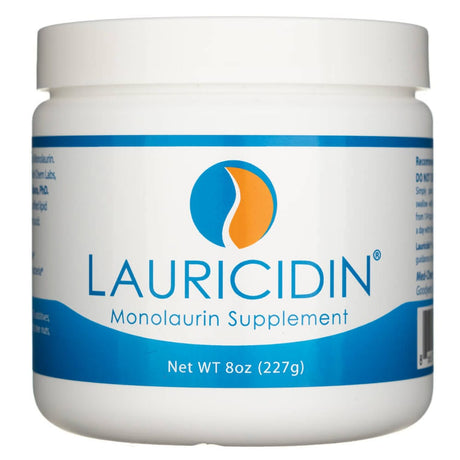


Ripristinare l'equilibrio intestinale con i probiotici
Sia che si stia Ecover riprendendo da una proliferazione fungina o che si stia cercando di prevenirla, ripristinare e mantenere un microbioma intestinale sano è fondamentale. I probiotici introducono batteri benefici che competono con le specie fungine per lo spazio e le risorse intestinali, mentre i prebiotici forniscono le fibre di cui quei batteri hanno bisogno per prosperare. Le vitamine del gruppo B — spesso esaurite durante la disbiosi — completano il trio di integratori fondamentali. Esplora la nostra collezione di probiotici per trovare un profilo di ceppi adatto alle tue esigenze.

Swanson
Swanson Epic Pro 25 ceppi probiotici - 30 capsule vegetali
Prezzo normale €14.69Prezzo unitario€0.49 per ciascun articolo


 15% di sconto
Aliness
Aliness ProbioBalance Starter Balance Probiotici e prebiotici - 30 capsule vegetali
Prezzo di vendita €7.26 Prezzo normale €8.59Prezzo unitario€0.24 per ciascun articolo


Hepatica
Hepatica Enzimi digestivi probiotici - 180 capsule
Prezzo normale €10.19Prezzo unitario€0.06 per ciascun articolo


 5% di sconto
Nordic Naturals
Nordic Naturals Nordic Flora Probiotic Comfort, 15 miliardi di CFU - 30 capsule
Prezzo di vendita €33.15 Prezzo normale €34.89Prezzo unitario€1.11 per ciascun articolo


Dieta: Il fondamento di R Ecover y
Il cambiamento alimentare è senza dubbio il pilastro più importante di qualsiasi protocollo antifungino. I seguenti alimenti nutrono attivamente i microrganismi patogeni e dovrebbero essere eliminati o ridotti al minimo durante la terapia Ecover y:
- Zuccheri semplici e dolcificanti
- Alimenti ultra-trasformati e confezionati
- Prodotti contenenti lievito-prodotti contenenti (pane, birra, alcuni condimenti)
- Formaggi erborinati e latticini
- Alcol
- Caffeina (in eccesso)
- Proteine animali provenienti dal maiale
Cosa mangiare al posto di
La dieta anti-candida è più pratica di quanto sembri. Una vasta gamma di cibi saporiti e nutrienti rimane pienamente a disposizione — e molti di essi sostengono attivamente r Ecover y:
- Verdure fermentate (crauti, sottaceti, kimchi)
- Latticini fermentati (yogurt vivo, kefir, latticello)
- -fibra (semole, verdure,-zuccheri)
- Pesce e frutti di mare
- Carne magra (escluso il maiale)
Dieta, tuttavia, è solo una parte del quadro. La qualità del sonno e l'attività fisica regolare hanno un impatto misurabile sulla funzione immunitaria e sull'equilibrio microbico — entrambi aspetti che vale la pena affrontare insieme ai cambiamenti nutrizionali.
Prevenire le recidive
La proliferazione fungina ha la fastidiosa tendenza a ripresentarsi, soprattutto se non vengono affrontati i fattori scatenanti sottostanti — dieta scorretta, stress cronico, o cicli ripetuti di TiB iotici —. Mantenere una dieta varia e ricca di fibre, ricorrere agli antibiotici solo quando è davvero necessario e sostenere la salute dell'intestino con probiotici e composti antimicrobici naturali su base continuativa sono i modi più affidabili per tenerla a bada. A nessuno piace pensare alla malattia — ma nel caso della proliferazione fungina, conoscere i rischi è davvero protettivo. La condizione è completamente curabile e una combinazione ponderata di cure mediche, alimentazione e integrazione mirata fornisce strumenti concreti per affrontarla.
Questo articolo ha solo scopo informativo e non sostituisce il parere medico. In caso di problemi di salute, gravidanza, allattamento o assunzione di farmaci, consulta un medico o un farmacista. Gli integratori alimentari non sostituiscono una dieta variata.


