

L'indigestione — clinicamente definita dispepsia — è uno dei disturbi gastrointestinali più comuni al mondo, e colpisce, secondo le stime, il 20-30% della popolazione dei paesi occidentali in un determinato momento dell'anno. Nonostante la sua prevalenza, l'indigestione è spesso poco compresa: molte persone trattano i singoli sintomi senza affrontare le cause sottostanti, o confondono l'indigestione alimentare temporanea con la dispepsia funzionale. Comprendere che cos'è effettivamente l'indigestione, cosa la scatena, e quali approcci alimentari e integrativi hanno la base di evidenza più solida è il punto di partenza per gestirla in modo efficace.
Che cos'è l'indigestione e quali sono le sue cause?
L'indigestione si riferisce a un insieme di sintomi gastrointestinali superiori — tipicamente dolore o fastidio nella parte superiore dell'addome, senso di pienezza, gonfiore, nausea, o bruciore di stomaco — che si verificano durante o dopo i pasti. Non si tratta di una malattia in sé, ma di un insieme di sintomi che possono derivare da molteplici cause, che vanno da semplici fattori scatenanti alimentari a disturbi strutturali o funzionali sottostanti.
Le cause comuni dell’indigestione episodica includono:
- Fattori alimentari — cibi ricchi di grassi, molto piccanti, molto salati, o molto dolci sono più difficili da digerire e più suscettibili di scatenare i sintomi; mangiare troppo in fretta, mangiare troppo vicino all’ora di andare a dormire, o consumare porzioni molto abbondanti
- Stress e ansia — lo stress attiva il sistema nervoso simpatico e distoglie risorse dalla funzione digestiva; alterano anche la motilità intestinale e possono aumentare la sensibilità all’acido
- Alcol e nicotina — entrambi compromettono la funzione dello sfintere esofageo inferiore e aumentano la produzione di acido gastrico, contribuendo al reflusso e all’irritazione
- Inattività fisica — la riduzione del movimento rallenta lo svuotamento gastrico e il transito intestinale
- Farmaci — i farmaci antinfiammatori non steroidei (FANS) come l’ibuprofene e l’aspirina irritano direttamente la mucosa gastrica; alcuni antibiotici TiB alterano anche la funzione digestiva
L'indigestione ricorrente o persistente può essere un sintomo di una condizione sottostante, tra cui la-esofagea (GERD), gastrite, ulcere peptiche, infezione da Helicobacter pylori, o, meno comunemente, patologie più gravi. Se i sintomi sono frequenti, gravi, accompagnati da perdita di peso inspiegabile, difficoltà di deglutizione, vomito persistente, o segni di sangue nelle feci, è necessaria una valutazione medica.
Riconoscere i sintomi
L'indigestione si manifesta in modo diverso da persona a persona. I sintomi più comuni includono un fastidio sordo o bruciante nella parte superiore dell'addome, una sensazione di pienezza durante o immediatamente dopo aver mangiato, gonfiore, eruttazioni, e nausea. Il bruciore di stomaco — una sensazione di bruciore che sale dallo stomaco verso la gola — è un sintomo comune associato alla presenza di reflusso.
Tra i sintomi più preoccupanti, che vanno oltre la semplice indigestione e richiedono un'immediata attenzione medica, figurano la febbre, sangue nelle feci (, feci nere o catramose), vomito persistente, significativa perdita di peso inspiegabile, difficoltà di deglutizione, e dolore toracico (, che deve essere distinto dalle cause cardiache).
La semplice indigestione alimentare si risolve in genere entro 1–2 giorni. I sintomi che persistono costantemente oltre le due settimane dovrebbero essere valutati da un medico per escludere la dispepsia funzionale, la GERD, o altre condizioni curabili.
Cosa fare (e cosa evitare) durante l'indigestione
Durante un episodio acuto:
- Consumare pasti più piccoli, e più frequenti piuttosto che pasti abbondanti
- Evitare di sdraiarsi per almeno due o tre ore dopo aver mangiato
- Mantenersi ben idratati — l'acqua e le tisane sono preferibili alle bevande gassate
- Ridurre temporaneamente o eliminare la carne rossa, i latticini-grassi, verdure crude, e cibi molto speziati
- Evita completamente alcol, caffè, e sigarette durante l’episodio
- Camminare o fare movimento leggero dopo i pasti può aiutare a stimolare la motilità gastrica
Supporto digestivo naturale: cosa sostengono le prove
Zenzero — Una delle erbe digestive meglio documentate
Lo zenzero ((Zingiber officinale)) ha la base di prove più solida tra tutti i rimedi digestivi a base di erbe. I suoi composti attivi — gingeroli e shogaoli — stimolano la motilità gastrica (accelerando lo svuotamento gastrico), aumentano la produzione di enzimi digestivi, e riducono la nausea attraverso la modulazione dei recettori della serotonina nel tratto gastrointestinale. Numerosi studi clinici hanno confermato l'efficacia dello zenzero contro la nausea (, compresa la nausea post-operatoria e quella legata alla gravidanza), nonché i suoi benefici per i disturbi digestivi generici. Il tè allo zenzero fresco, lo zenzero macinato nei cibi, e le capsule standardizzate di zenzero forniscono tutti quantità rilevanti di composti attivi.
Enzimi digestivi — A sostegno di una digestione efficiente
Gli integratori di enzimi digestivi forniscono forme concentrate degli enzimi normalmente prodotti dal pancreas e dall'intestino tenue: proteasi (per le proteine), lipasi (per i grassi), amilasi (per i carboidrati), e bromelina o papaina (. Per le persone la cui indigestione è legata a una ridotta produzione di enzimi — comune negli anziani, in chi soffre di insufficienza pancreatica, o dopo pasti abbondanti — gli integratori enzimatici possono ridurre significativamente gonfiore, gas, e la sgradevole sensazione di pienezza. La bromelina, derivata dai gambi dell'ananas, possiede sia attività enzimatica digestiva che proprietà antinfiammatorie che la rendono particolarmente utile per il disagio post-prandiale.
Betaina HCl — Per la bassa acidità gastrica
Contrariamente a quanto si potrebbe pensare, molti casi di indigestione, bruciore di stomaco, e gonfiore non sono causati da un eccesso di acidità gastrica, ma da un'insufficienza di acido — una condizione chiamata ipocloridria. È necessaria una quantità adeguata di acido gastrico per attivare gli enzimi digestivi, uccidere gli agenti patogeni presenti negli alimenti, e stimolare la corretta chiusura dello sfintere esofageo inferiore. Gli integratori di cloridrato di betaina aumentano temporaneamente l'acidità gastrica, il che può alleviare i sintomi nelle persone con bassa acidità gastrica. Ciò è particolarmente rilevante per gli anziani, poiché la produzione di acido gastrico diminuisce naturalmente con l'età. La cloridrato di betaina viene tipicamente assunta immediatamente prima o durante i pasti.
Radice di liquirizia (Forma DGL) — Protezione della mucosa
Liquirizia deglicirrizinata (DGL) — una forma di estratto di radice di liquirizia da cui è stato rimosso il componente glicirrizina per evitare effetti collaterali ormonali — è uno dei rimedi naturali più studiati per il supporto della mucosa gastrica. La DGL stimola la produzione di muco nel rivestimento dello stomaco, proteggendolo dall'irritazione acida e favorendone la guarigione. È particolarmente indicata per le persone con gastrite, reflusso acido, o fastidi dovuti all'uso di FANS. La ricerca ne sostiene l'uso per alleviare i sintomi dell'ulcera peptica e della GERD.
Carciofo e tarassaco — Flusso biliare e asse fegato-digestivo
L'estratto di foglie di carciofo e la radice di tarassaco sono entrambi colagoghi: stimolano la produzione e la secrezione della bile. Un adeguato flusso biliare è essenziale per la digestione dei grassi; una bile insufficiente è una causa comune e sottovalutata di indigestione, in particolare dopo pasti grassi, con sintomi quali gonfiore, nausea, e fastidio nella parte superiore destra dell'addome. Entrambe le erbe sono anche epatoprotettive e supportano i percorsi di disintossicazione del fegato. Per le persone la cui indigestione è caratterizzata da intolleranza ai cibi grassi, queste erbe sono particolarmente indicate.
Triphala — Tonico digestivo ayurvedico
Il Triphala è una formulazione tradizionale ayurvedica che combina tre frutti: Amalaki (Phyllanthus emblica), Bibhitaki (Terminalia bellirica), e Haritaki (Terminalia chebula). È stato utilizzato per secoli come tonico digestivo completo, e la ricerca contemporanea ha scoperto che favorisce la regolarità intestinale, riduce lo stress ossidativo nell'intestino, e possiede lievi proprietà antinfiammatorie e antimicrobiche. È uno degli integratori digestivi a base di erbe più versatili — ugualmente indicato sia per la digestione lenta che per normalizzare le abitudini intestinali irregolari.
Finocchio e Cumino — Erbe carminative per gas e gonfiore
Il finocchio ((Foeniculum vulgare)) e il cumino ((Carum carvi)) sono classiche — rilassano la muscolatura liscia della parete intestinale, riducendo i crampi e facilitando il rilascio dei gas intrappolati. Entrambe sono state utilizzate per secoli nella fitoterapia europea specificamente per gonfiore, coliche, e disturbi digestivi funzionali. Il tè ai semi di finocchio e i preparati a base di semi di cumino sono tra le opzioni più delicate e tollerabili per un immediato sollievo dai sintomi.
Gamma di integratori digestivi su Medpak
Offriamo una gamma completa di integratori a supporto della digestione in queste categorie. Per il supporto enzimatico e l'HCl:


Vitaler's
Vitaler's Enzimi digestivi - 60 capsule
Prezzo normale €8.89Prezzo unitario€0.15 per ciascun articolo
Doctor's Best
Doctor's Best Enzimi digestivi - 90 capsule vegetali
Prezzo normale €37.69Prezzo unitario€0.42 per ciascun articolo


Aliness
Aliness Bromelina 500 mg , Papaina 200 mg - 100 capsule vegetali
Prezzo normale €17.39Prezzo unitario€0.17 per ciascun articolo


Now Foods
Now Foods Betaina HCL 648 mg - 120 Capsule Vegetali
Prezzo normale €17.59Prezzo unitario€0.18 per ciascun articolo


Aliness
Aliness Betaina HCL, Pepsina 650 / 150 mg - 100 capsule
Prezzo normale €14.79Prezzo unitario€0.15 per ciascun articolo


Hepatica
Hepatica Enzimi digestivi probiotici - 180 capsule
Prezzo normale €10.19Prezzo unitario€0.06 per ciascun articolo


Per il supporto digestivo e delle mucose a base di erbe, il nostro collezione sistema digestivo include le seguenti opzioni — che coprono liquirizia, triphala, tarassaco, carciofo, e zenzero:


Yango
Yango Estratto di liquirizia 10:1 - 60 Capsule
Prezzo normale €14.69Prezzo unitario€0.24 per ciascun articolo
Now Foods
Now Foods Triphala 500 mg - 120 compresse
Prezzo normale €14.89Prezzo unitario€0.12 per ciascun articolo

Hepatica
Hepatica Triphala - 120 Capsule
Prezzo normale €9.09Prezzo unitario€0.08 per ciascun articolo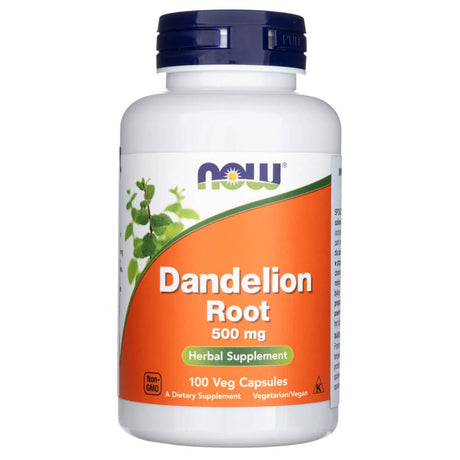


Now Foods
Now Foods Radice di tarassaco 500 mg - 100 Capsule Vegetali
Prezzo normale €8.49Prezzo unitario€0.08 per ciascun articolo


Now Foods
Now Foods Estratto di carciofo 450 mg - 90 Capsule Vegetali
Prezzo normale €14.29Prezzo unitario€0.16 per ciascun articolo


Stile di vita e abitudini alimentari che fanno la differenza
Gli integratori funzionano meglio se inseriti in un approccio più ampio che affronti i fattori legati allo stile di vita che causano o aggravano l'indigestione. I cambiamenti più efficaci sono: mangiare più lentamente e masticare accuratamente il cibo; non mangiare nelle 2-3 ore prima di andare a dormire; ridurre il consumo di alcol ed eliminare il fumo; incorporare un leggero movimento dopo i pasti; gestire lo stress attraverso un regolare esercizio fisico o pratiche di rilassamento; e ridurre l'assunzione di cibi ultra-trasformati, che sono poveri di enzimi digestivi e fibre e ricchi di additivi che possono irritare l'intestino.
Per la salute intestinale a lungo termine, garantire un adeguato apporto di probiotici e fibre mantiene un microbioma sano: una comunità batterica intestinale diversificata e, equilibrata influenza in modo significativo l'efficienza digestiva e riduce la frequenza dei sintomi digestivi funzionali. La nostra collezione di prodotti per la disintossicazione e la pulizia include opzioni di supporto per protocolli periodici di pulizia dell'intestino.
Questo articolo ha solo scopo informativo e non sostituisce il parere medico. In caso di problemi di salute, gravidanza, allattamento o assunzione di farmaci, consulta un medico o un farmacista. Gli integratori alimentari non sostituiscono una dieta variata.


