

La menopausa non è una malattia, ma una transizione biologica naturale. Tuttavia, "naturale" non significa indolore o priva di conseguenze sulla qualità della vita quotidiana. I cambiamenti ormonali che accompagnano la perimenopausa e la post-menopausa — principalmente il calo della produzione di estrogeni e progesterone da parte delle ovaie — hanno effetti di ampia portata sulla regolazione della temperatura corporea, sulla densità ossea, sul sonno, sull'umore, e sul rischio cardiovascolare. Capire quali approcci naturali e integrativi sono supportati da prove scientifiche concrete aiuta le donne a prendere decisioni informate su come gestire al meglio questa transizione, piuttosto che affidarsi alle affermazioni di marketing o scartare tutte le opzioni come inadeguate.
Cosa succede durante la menopausa?
La menopausa è definita come il momento che si verifica 12 mesi dopo l'ultimo ciclo mestruale di una donna, che in Europa si verifica tipicamente tra i 45 e i 55 anni. Gli anni precedenti — la perimenopausa — comportano una produzione ormonale ovarica fluttuante e in declino che può durare dai 4 ai 10 anni e produrre la maggior parte dei sintomi associati alla "menopausa".
L'estrogeno ha recettori praticamente in ogni tessuto del corpo: ossa, cervello, sistema cardiovascolare, pelle, e mucose. Il suo declino produce quindi effetti su più sistemi contemporaneamente. I sintomi più comunemente riportati includono:
- sintomi vasomotori — vampate di calore e sudorazioni notturne, sperimentati da circa il 75% delle donne; i sintomi più caratteristici e spesso più invalidanti
- Disturbi del sonno — sia direttamente (sudorazione notturna) sia attraverso meccanismi legati al ruolo degli estrogeni nella termoregolazione e nella funzione circadiana
- Cambiamenti dell’umore — ansia, irritabilità, e sintomi depressivi, correlati alla modulazione da parte degli estrogeni dei sistemi dei neurotrasmettitori serotonina e GABA
- Sindrome genito-urinaria — secchezza vaginale, urgenza urinaria, e maggiore suscettibilità alle infezioni del tratto urinario TiB
- Perdita di densità ossea — riassorbimento osseo accelerato nei primi 5–10 anni dopo la menopausa, che aumenta significativamente il rischio di osteoporosi
- Cambiamenti nel rischio cardiovascolare — la perdita degli effetti cardioprotettivi degli estrogeni contribuisce ad un aumento del colesterolo LDL e del rischio cardiovascolare complessivo
- Cambiamenti cognitivi — difficoltà di concentrazione e di memoria, spesso descritte come "confusione mentale, " sperimentata da molte donne nella fase di transizione perimenopausale
Fitoestrogeni: L'approccio a base vegetale con le migliori evidenze
I fitoestrogeni sono composti di origine vegetale con una struttura simile all'estradiolo (, il principale estrogeno umano), in grado di legarsi ai recettori degli estrogeni — producendo tipicamente effetti agonisti più deboli o parzialmente antagonisti a seconda del tessuto e del sottotipo di recettore coinvolti. Si trovano in diversi alimenti e integratori e rappresentano l'approccio naturale più supportato dalla scienza per la gestione dei sintomi vasomotori.
I principali tipi di fitoestrogeni rilevanti per l'integrazione in menopausa:
Isoflavoni (Soia e trifoglio rosso)
Isoflavoni della soia — genisteina, daidzeina, e gliciteina — sono i fitoestrogeni più ampiamente studiati per i sintomi della menopausa. Numerose revisioni sistematiche e meta-analisi hanno concluso che l'integrazione con isoflavoni di soia produce una riduzione statisticamente significativa della frequenza delle vampate di calore ((circa il 20–30%)) e della loro gravità rispetto al placebo. L'effetto è clinicamente significativo, sebbene più modesto rispetto alla terapia ormonale sostitutiva (HRT) farmaceutica.
Il trifoglio rosso ((Trifolium pratense)) contiene un profilo di isoflavoni diverso, dominato dalla formononetina e dalla biochanina A (, che nell'organismo si convertono in daidzeina e genisteina). I preparati a base di isoflavoni di trifoglio rosso a dosi di 40–160 mg al giorno hanno dimostrato benefici nella riduzione delle vampate di calore in diversi studi controllati, con evidenze particolarmente consistenti a dosi più elevate. Il trifoglio rosso contiene anche lignani e coumestani, il che gli conferisce un profilo fitoestrogenico più ampio rispetto alla soia.
Una nota pratica importante: circa il 30–40% delle persone possiede batteri intestinali che convertono l'isoflavone daidzeina in equolo — un legante dei recettori degli estrogeni più potente — il che potrebbe spiegare la notevole variabilità nella risposta all'integrazione di isoflavoni di soia. I "produttori di equolo" tendono a rispondere in modo più marcato. Questa variabilità è prevedibile e deve essere presa in considerazione nella valutazione della risposta individuale.
Lignani (Semi di lino)
I semi di lino ((linseed)) sono la fonte alimentare più ricca di lignani vegetali, che vengono convertiti dai batteri intestinali in enterolignani con una lieve attività estrogenica. I semi di lino hanno una base di prove significative per la riduzione della frequenza delle vampate di calore e il miglioramento della qualità della vita complessiva durante la menopausa, con i benefici aggiuntivi del contenuto di omega-3 ALA (per il supporto cardiovascolare) e delle fibre solubili (per la salute dell'apparato digerente).
Considerazioni sulla sicurezza dei fitoestrogeni
Per la maggior parte delle donne in postmenopausa in buona salute, l'integrazione di fitoestrogeni attraverso l'alimentazione e gli estratti vegetali standardizzati è considerata sicura. La situazione è meno chiara per le donne con una storia di carcinoma mammario positivo ai recettori ormonali (ER+): l'attività di agonista parziale sui recettori degli estrogeni crea un rischio teorico, e la maggior parte delle linee guida oncologiche consiglia cautela e una discussione individuale con l'oncologo curante prima di utilizzare integratori di fitoestrogeni in questo gruppo. Si tratta di una preoccupazione legittima che non dovrebbe essere minimizzata.
Cimicifuga: La pianta più studiata per la menopausa
Il cohosh nero (Actaea racemosa, precedentemente Cimicifuga racemosa) è una pianta medicinale nordamericana con la più ampia base di prove cliniche rispetto a qualsiasi altra pianta specificamente indicata per i sintomi della menopausa. Contrariamente alle ipotesi precedenti, non agisce come un fitoestrogeno: non ha attività estrogenica diretta e non si lega ai recettori degli estrogeni. Si ritiene che il suo meccanismo coinvolga la modulazione dei recettori della serotonina e l'attività del sistema nervoso centrale, il che è rilevante per i suoi effetti sia sui sintomi vasomotori che sull'umore.
Numerosi studi controllati con placebo hanno dimostrato che l'estratto standardizzato di cohosh nero (, la forma più comunemente utilizzata, standardizzata per i glicosidi triterpenici), riduce significativamente la frequenza e la gravità delle vampate di calore, migliora la qualità del sonno, e riduce l'ansia e i sintomi depressivi nelle donne ine post-menopausali. Gli effetti sono generalmente da modesti a moderati, ma clinicamente significativi. La durata raccomandata è tipicamente di 3–6 mesi di uso continuo, con alcuni dati di sicurezza a lungo termine disponibili fino a un anno.
Il cohosh nero è generalmente ben tollerato. La principale preoccupazione in materia di sicurezza — sollevata ma non definitivamente confermata — riguarda rari casi di epatotossicità (tossicità epatica). La maggior parte delle attuali valutazioni normative conclude che la relazione causale con il cohosh nero non è stabilita, ma i medici in genere consigliano cautela nelle persone con patologie epatiche preesistenti.
Salute delle ossa: una priorità durante e dopo la menopausa
L'accelerata perdita ossea nel primo decennio post-menopausale — si può perdere fino al 20% della densità minerale ossea — è una delle conseguenze più importanti a lungo termine del calo degli estrogeni sulla salute. Il supporto nutrizionale per la salute delle ossa durante e dopo la menopausa non è facoltativo e rappresenta una delle priorità più evidenti e basate su prove scientifiche in questa fase della vita.
La triade nutrizionale fondamentale per la salute delle ossa in menopausa:
- Calcio — 1, 200 mg al giorno da alimenti e integratori combinati; integrare il calcio se l'assunzione alimentare è insufficiente, preferibilmente in dosi più piccole e frazionate (≤500 mg per dose) da assumere durante i pasti
- Vitamina D3 — la maggior parte delle donne in postmenopausa nell'Europa settentrionale e centrale ne è carente; in genere si raccomanda un'integrazione di 1.500–2.000 UI al giorno, con livelli ematici di 25-OH D idealmente compresi tra 50–75 nmol/L
- Vitamina K2 (MK-7) — attiva l’osteocalcina (che lega il calcio alla matrice ossea) e inibisce la calcificazione arteriosa; la combinazione D3+K2 è ora considerata la migliore pratica nell'integrazione per la salute delle ossa
Il magnesio è un importante cofattore aggiuntivo — necessario per l'attivazione della vitamina D e la formazione della matrice ossea. L'esercizio fisico con carico e di resistenza rimane l'intervento non farmacologico più efficace per mantenere la densità ossea. Scopri la nostra collezione per la salute delle ossa e delle articolazioni, disponibile su , per un supporto mirato alle ossa:


Aliness
Aliness Calcio dal guscio dell'ostrica con vitamina K2 MK-7 e D3 - 100 compresse
Prezzo normale €11.19Prezzo unitario€0.11 per ciascun articolo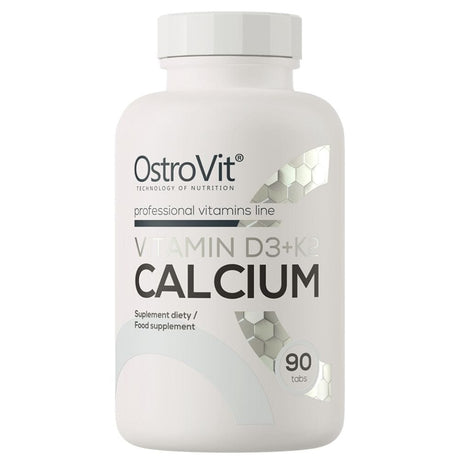
 10% di sconto
Ostrovit
Ostrovit Vitamina D3 + K2 + Calcio - 90 compresse
Prezzo di vendita €6.02 Prezzo normale €6.69Prezzo unitario€0.07 per ciascun articolo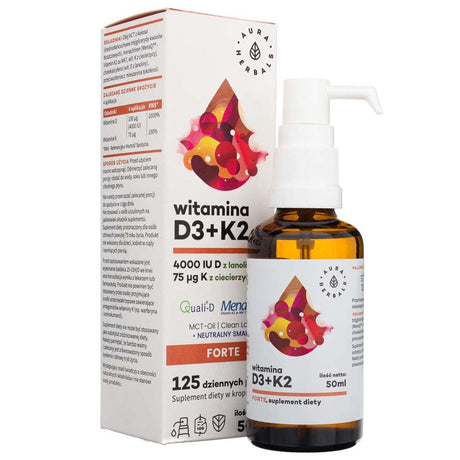


Aura Herbals
Aura Herbals Vitamina D3 4000 UI + K2 , MCT , gocce - 50 ml
Prezzo normale €15.09Prezzo unitario€30.18 /100ml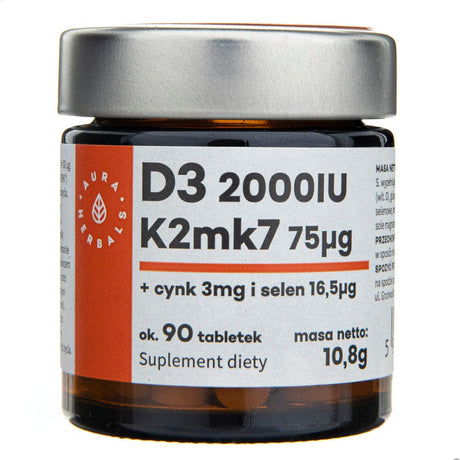


Aura Herbals
Aura Herbals Vitamina D3 2000 UI + K2 + Zinco + Selenio - 90 compresse
Prezzo normale €9.49Prezzo unitario€0.11 per ciascun articolo


Stress, Sonno, e umore: Supporto adattogeno e calmante
I disturbi dell'umore e del sonno della menopausa sono causati in parte dai cambiamenti ormonali (l'estrogeno modula i sistemi della serotonina e del GABA) e in parte dagli effetti secondari delle sudorazioni notturne e dei disturbi vasomotori sull'architettura del sonno. Affrontare sia la dimensione psicologica che quella fisiologica di questo aspetto della menopausa richiede un approccio su più fronti.
L'ashwagandha ((Withania somnifera)) — l'adattogeno più ampiamente studiato per lo stress e l'ansia — riveste particolare rilevanza in questo contesto. Uno studio randomizzato del 2021 condotto specificamente su donne in perimenopausa ha rilevato che l'estratto di radice di ashwagandha KSM-66 (, 300 mg due volte al giorno per 8 settimane), ha ridotto significativamente i punteggi su scale validate per i sintomi della menopausa, lo stress percepito, l'ansia, e la qualità del sonno rispetto al placebo. Il suo meccanismo coinvolge la modulazione del cortisolo e l'attività dei recettori GABA — entrambi direttamente rilevanti per i cambiamenti ormonali e neurologici della menopausa.
L'olio di enotera (GLA, acido gamma-linolenico) è tradizionalmente utilizzato per i sintomi della menopausa ed è specificamente studiato per i sintomi vasomotori, con alcune prove a sostegno della riduzione dell'intensità delle vampate di calore. Il suo profilo di acidi grassi antinfiammatori è generalmente di supporto alla salute della pelle e alla segnalazione infiammatoria — aree colpite dal declino estrogenico.
Per quanto riguarda la componente del sonno, il bisglicinato o glicinato di magnesio assunto la sera agisce sia sulla componente del rilassamento muscolare che, attraverso l'azione termoregolatrice della glicina, può aiutare con l'elevata temperatura corporea interna che contribuisce alle sudorazioni notturne.
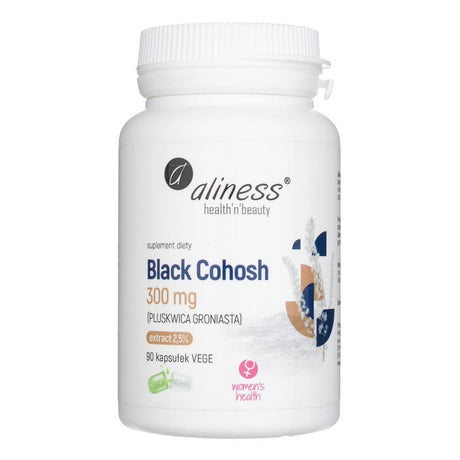


Aliness
Aliness Cohosh nero ( Cimicifuga racemosa ) 300 mg - 90 Capsule Vegetali
Prezzo normale €11.89Prezzo unitario€0.13 per ciascun articolo


Aliness
Aliness Estratto di trifoglio rosso 8% 500 mg - 90 Capsule Vegetali
Prezzo normale €12.39Prezzo unitario€0.14 per ciascun articolo

Life Extension
Life Extension Estrogeni per donna - 30 compresse
Prezzo normale €35.59Prezzo unitario€1.19 per ciascun articolo


Solgar
Solgar Olio di enotera 1300 mg - 60 Capsule molli
Prezzo normale €16.89Prezzo unitario€0.28 per ciascun articolo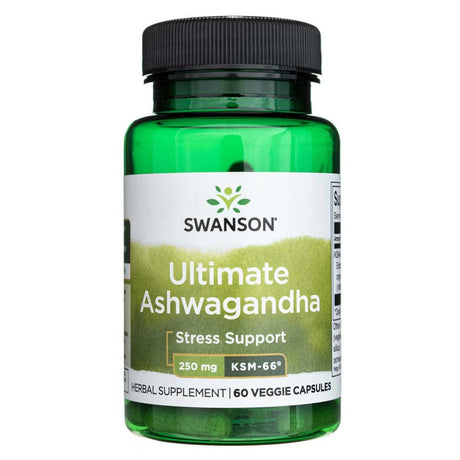


Swanson
Swanson Ultimate Ashwagandha KSM-66 250 mg - 60 Capsule Vegetali
Prezzo normale €8.99Prezzo unitario€0.15 per ciascun articolo


Supporto aromatico: Oli essenziali nel contesto della menopausa
Sebbene gli oli essenziali non siano trattamenti per i sintomi della menopausa in senso clinico, l'aromaterapia ha un ruolo significativo come approccio complementare per lo stress, l'ansia, e i disturbi del sonno legati alla transizione menopausale. L'olio essenziale di salvia sclarea (Salvia sclarea) è quello più specificamente discusso nel contesto della menopausa: contiene un composto chiamato sclareolo con lievi proprietà fitoestrogeniche ed è stato tradizionalmente utilizzato per favorire l'equilibrio ormonale. Un piccolo studio clinico ha rilevato che l'inalazione di olio essenziale di salvia sclarea ha ridotto i livelli di cortisolo e migliorato lo stato degli ormoni tiroidei nelle donne in menopausa. La lavanda ha solide prove a sostegno dell'ansia e del sonno che non sono specifiche della menopausa ma altamente rilevanti.
È preferibile utilizzarli per via aromatica — in un diffusore, nella vasca da bagno, o in un olio da massaggio diluito — piuttosto che ingerirli. Esplora la nostra collezione di aromaterapia:


 25% di sconto
Bilovit
Olio essenziale di salvia sclarea Bilovit - 10 ml
Prezzo di vendita €4.71 Prezzo normale €6.29Prezzo unitario€4.71 /10ml


 25% di sconto
Bilovit
Olio essenziale di salvia Bilovit - 10 ml
Prezzo di vendita €2.76 Prezzo normale €3.69Prezzo unitario€2.76 /10ml


Supporto nutrizionale completo per le donne
Per chi preferisce un unico multivitaminico ben formulato che copra le ampie esigenze nutrizionali degli anni della menopausa e della post-menopausa, multivitaminici per donne che includono formulazioni senza ferro (post-menopausa appropriata), calcio adeguato, magnesio, e le vitamine D, K, e del complesso B rappresentano una base pratica. Sfoglia la nostra più ampia collezione di erbe per ulteriori opzioni botaniche e la nostra gamma completa di integratori per donne:


Now Foods
Now Foods EVE Vitamina Multipla Donna - 120 Capsule Vegetali
Prezzo normale €29.59Prezzo unitario€0.25 per ciascun articolo
Formeds
Formeds Bicaps Trifoglio Rosso - 60 Capsule
Prezzo normale €13.59Prezzo unitario€0.23 per ciascun articolo
Aliness
Aliness Olio di enotera 9% 1000 mg - 90 Capsule molli
Prezzo normale €11.29Prezzo unitario€0.13 per ciascun articolo


Questo articolo ha solo scopo informativo e non sostituisce il parere medico. In caso di problemi di salute, gravidanza, allattamento o assunzione di farmaci, consulta un medico o un farmacista. Gli integratori alimentari non sostituiscono una dieta variata.


