

La barbabietola rossa è uno degli ortaggi più ricchi di nutrienti che esistano, eppure viene spesso sottovalutata come alimento salutare. Mangiare la barbabietola cruda è poco pratico — la consistenza è dura e il sapore terroso — ma il succo di barbabietola offre la stessa ricca concentrazione di vitamine, minerali, e composti bioattivi in una forma comoda, altamente assorbibile. Che il vostro obiettivo sia il supporto cardiovascolare, migliori prestazioni atletiche, o semplicemente migliorare l'apporto nutrizionale quotidiano, , il succo di barbabietola e gli integratori a base di barbabietola meritano un posto nella vostra routine.
Cosa contiene il succo di barbabietola?
Il profilo nutrizionale del succo di barbabietola è insolitamente ampio. È una fonte naturale di vitamine del, delle vitamine A, C, E e K, e di una serie impressionante di minerali tra cui ferro, potassio, calcio, magnesio, fosforo, rame, zinco, manganese, e boro. Oltre ai nutrienti convenzionali, la barbabietola contiene betaina, fibre alimentari, polifenoli, carotenoidi e acidi organici come l'acido malico, tartarico, ossalico e acido citrico. Forse l'aspetto più importante dal punto di vista delle prestazioni e della salute cardiovascolare, è che la barbabietola è una delle fonti alimentari più ricche di nitrati inorganici — composti che l'organismo converte in ossido nitrico, una molecola di segnalazione chiave coinvolta nella dilatazione dei vasi sanguigni. Benefici per la salute: cosa suggerisce la ricerca La combinazione di nitrati, antiossidanti e composti antinfiammatori presenti nella barbabietola dà origine a un'ampia gamma di potenziali benefici per la salute. Gli studi suggeriscono che un consumo regolare possa contribuire a livelli di pressione sanguigna sani promuovendo la vasodilatazione — l'allargamento dei vasi sanguigni — attraverso la produzione di ossido nitrico. Questo meccanismo è alla base anche dei benefici cardiovascolari della barbabietola, dove può aiutare a sostenere livelli di colesterolo sani e a ridurre la rigidità arteriosa. Chi è interessato a un supporto più ampio per il cuore e la circolazione può esplorare la nostra collezione di integratori cardiovascolari.
Il succo di barbabietola mostra anche una notevole attività antiossidante, principalmente grazie ai suoi pigmenti betalainici — i composti responsabili del suo colore rosso intenso. Questi pigmenti aiutano a neutralizzare i radicali liberi, riducendo lo stress ossidativo e sostenendo la salute cellulare nel tempo. Il consumo regolare può aiutare a rallentare i processi di invecchiamento visibili associati al danno ossidativo. Per un supporto antiossidante complementare, consulta la nostra collezione Antioxidants.
Il contenuto di ferro nel succo di barbabietola lo rende un prezioso strumento di supporto alimentare per chi è a rischio di anemia da carenza di ferro, comprese le donne con cicli mestruali abbondanti e le donne in gravidanza. La presenza simultanea di vitamina C migliora l'assorbimento del ferro, rendendo il succo di barbabietola una fonte di ferro più efficace rispetto a molti alimenti vegetali consumati da soli.
Succo di barbabietola per le prestazioni atletiche
Questa è forse l'applicazione più studiata dell'integrazione con barbabietola. La via del nitrato all'ossido nitrico migliora significativamente l'efficienza dell'ossigeno nel tessuto muscolare, il che si traduce in una migliore resistenza, una riduzione della fatica, e un miglioramento del tempo di esaurimento durante l'esercizio fisico. Gli shot di barbabietola — dosi concentrate, e predosate di succo di barbabietola assunte 2–3 ore prima dell'allenamento — sono diventati uno strumento pre-allenamento mainstream utilizzato sia dagli atleti amatoriali che dai competitori d'élite.
La ricerca ha dimostrato miglioramenti misurabili nelle prestazioni durante attività aerobiche come il ciclismo, la corsa, e gli sport di squadra. A differenza dei pre-allenamenti a base di stimolanti, la barbabietola offre un vantaggio fisiologico sulle prestazioni senza caffeina o composti artificiali. Scopri la gamma completa di integratori per la nutrizione sportiva per integrare il tuo regime di allenamento.
Succo di barbabietola: prodotti alimentari integrali su Medpak
Per chi preferisce la barbabietola in forma alimentare, sono disponibili sia il tradizionale succo fermentato che gli shot concentrati pronti all'uso. Questi formati offrono un'autentica, nutrizione a base di barbabietola minimamente lavorata — senza additivi, senza conservanti, solo il prodotto vero e proprio:

Sadvit
Succo di barbabietola coagulato Sadvit 100% - 250 ml
Prezzo normale €1.89Prezzo unitario€7.56 /l


Beet It Sport
Beet It Sport Nitrate 400 Beetroot Shot - 70 ml
Prezzo normale €3.99Prezzo unitario€5.70 /100ml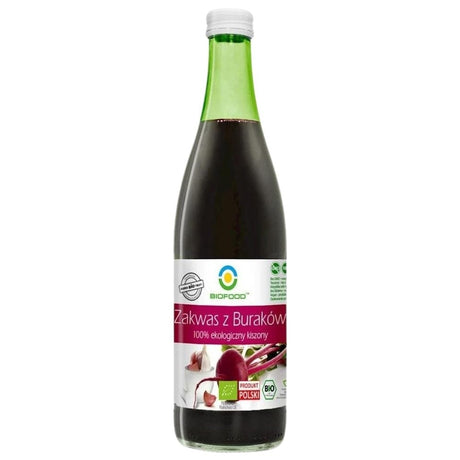
Bio Food
Bio Food Salsa di barbabietola sottaceto - 500 ml
Prezzo normale €3.19Prezzo unitario€6.38 /l


Integratori a base di barbabietola: Standardizzati e pratici
Per un apporto costante e misurabile dei composti attivi della barbabietola — in particolare i nitrati — gli integratori standardizzati offrono una pratica alternativa al succo fresco. Le capsule e le compresse masticabili forniscono concentrazioni note di estratto di barbabietola, rendendole più facili da integrare nella routine quotidiana senza necessità di preparazione o refrigerazione:
 10% di sconto
Pharmovit
Pharmovit Beetroot 10% Nitrates - 90 Capsules
Prezzo di vendita €9.53 Prezzo normale €10.59Prezzo unitario€0.11 per ciascun articolo
Activlab
Activlab De Luxe Shot pre-allenamento, Barbabietola - 80 ml
Prezzo normale €1.69Prezzo unitario


Succo di barbabietola rossa durante la gravidanza e la menopausa
Il succo di barbabietola rossa è particolarmente indicato per le donne in determinate fasi della vita. Durante la gravidanza, il suo contenuto di folati ((vitamina B9)) favorisce il corretto sviluppo del tubo neurale nel feto, mentre il suo ferro naturale aiuta a soddisfare il fabbisogno di ferro significativamente aumentato che accompagna l'espansione del volume ematico. Come sempre, le donne in gravidanza dovrebbero consultare il proprio medico prima di apportare cambiamenti significativi alla dieta. Durante la menopausa, le proprietà di modulazione della pressione sanguigna della barbabietola diventano particolarmente rilevanti, poiché il rischio cardiovascolare aumenta dopo il calo dei livelli di estrogeni. Anche la betaina e i suoi metaboliti contribuiscono agli effetti protettivi sulle ossa, che possono offrire un certo grado di supporto contro la perdita di densità ossea associata a questa fase della vita. Le proprietà antinfiammatorie dei polifenoli della barbabietola possono inoltre aiutare a gestire alcuni comuni disturbi della menopausa.
Quanto bere — e chi dovrebbe prestare attenzione
Per il benessere generale e il supporto immunitario, circa 200 ml di succo di barbabietola al giorno sono un punto di partenza comunemente citato. Chi lo utilizza per il controllo del peso o per migliorare le prestazioni atletiche potrebbe trarre beneficio da dosi maggiori o più frequenti. Con circa 47 kcal per 100 ml, il succo di barbabietola è a basso contenuto calorico e allo stesso tempo fornisce un significativo senso di sazietà grazie al suo contenuto di fibre. Inoltre favorisce i processi naturali di disintossicazione: chi è interessato a un approccio più strutturato può esplorare la nostra collezione Detox & Cleanse.
Il succo di barbabietola non è tuttavia adatto a tutti,. Contiene ossalati, che possono aggravare i sintomi in persone con calcoli renali o patologie reumatiche — questi gruppi dovrebbero evitarlo o consultare prima un medico. Anche chi assume farmaci per la pressione arteriosa dovrebbe monitorare la propria risposta, poiché l'effetto combinato potrebbe essere più forte del previsto.
Questo articolo ha solo scopo informativo e non sostituisce il parere medico. In caso di problemi di salute, gravidanza, allattamento o assunzione di farmaci, consulta un medico o un farmacista. Gli integratori alimentari non sostituiscono una dieta variata.


