

Le tisane hanno vissuto una vera e propria rinascita in tutta Europa, e il cisto — noto botanicamente come Cistus incanus — si è guadagnato un seguito particolarmente fedele. A differenza del tè nero, non contiene teina né teobromina, il che lo rende adatto a un consumo quotidiano illimitato senza il rischio di sovrastimolazione associato alle bevande contenenti caffeina. Le foglie di cisto sono ricche di polifenoli che collocano questo modesto arbusto tra le piante più ricche di antiossidanti nell'erboristeria europea. Ma ciò che lo rende così interessante — anche durante la gravidanza — è la notevole gamma di condizioni che può aiutare a sostenere.
Che cos'è il cisto?
Il cisto è un piccolo arbusto fiorito originario delle regioni mediterranee dell'Europa meridionale. Sebbene sia coltivato come pianta ornamentale nei giardini dell'Europa settentrionale, il suo uso medicinale attinge a secoli di tradizione in tutto il bacino del Mediterraneo. Nella pratica erboristica, sono le foglie ad essere utilizzate, non i fiori — le foglie contengono i composti bioattivi più preziosi della pianta, tra cui polifenoli, tannini, flavonoidi, e oli essenziali con proprietà antimicrobiche documentate. Questi composti agiscono in sinergia per neutralizzare i radicali liberi, sostenere il sistema immunitario ed esercitare effetti antinfiammatori e antimicrobici in tutto il corpo.
Proprietà chiave e benefici del cisto
Il cisto si distingue per l'ampiezza delle sue potenziali applicazioni per la salute. Il suo elevato contenuto di polifenoli — in particolare proantocianidine e flavonoidi — è alla base della maggior parte dei suoi effetti documentati. Il consumo regolare di tè al cisto o di estratto standardizzato di cisto può contribuire a:
- Supporto al sistema immunitario — l’attività antivirale, antibatterica, e antimicotica aiuta l’organismo a resistere agli agenti patogeni, in particolare durante la stagione di raffreddori e influenza
- Effetti antinfiammatori — può ridurre l'infiammazione sistemica e localizzata
- Protezione antiossidante — neutralizza i radicali liberi e favorisce un invecchiamento cellulare sano
- Supporto cardiovascolare — può aiutare a inibire l’ossidazione del colesterolo LDL, un fattore chiave nel rischio di aterosclerosi
- Salute della pelle — l’attività antiossidante interna può aiutare a eliminare l’acne e a ridurre i segni visibili dell’invecchiamento cutaneo
- Proprietà antiallergiche — può moderare le reazioni immunitarie eccessive nelle risposte allergiche
Per chiunque stia creando una routine completa, il cisto si abbina bene ad altre piante medicinali supportate da prove scientifiche disponibili nella nostra collezione di erbe.
Cisto e salute dei reni
Gli oli essenziali del cisto hanno proprietà antifungine, antivirali, e antibatteriche TiB documentate che possono favorire la salute delle vie urinarie. Oltre all'attività antimicrobica diretta, il cisto ha lievi proprietà diuretiche che possono favorire la normale filtrazione renale e sostenere l'eliminazione di tossine, metalli pesanti, e composti volatili. I suoi composti antiossidanti aiutano a ridurre lo stress ossidativo nel tessuto renale, il che è particolarmente rilevante per le persone soggette a infezioni ricorrenti delle vie urinarie.
Cisto e circolazione: un aiuto naturale per le vene varicose
Le proprietà antinfiammatorie e tonificanti per i vasi sanguigni dei polifenoli del cisto lo rendono un'erba complementare utile per le persone che soffrono di vene varicose o di scarsa circolazione periferica. La ricerca suggerisce che questi composti possano aiutare a rafforzare le pareti dei capillari, ridurre l'infiammazione vascolare e sostenere il normale flusso sanguigno. Sebbene il cisto non sia un trattamento per le vene varicose conclamate, il suo consumo regolare può essere d'aiuto nell'ambito di un approccio più ampio al benessere circolatorio, insieme all'attività fisica e a un'adeguata idratazione.
Il cisto durante la gravidanza — Cosa c'è da sapere
Il cisto è generalmente considerato una delle erbe più sicure da usare durante la gravidanza, particolarmente apprezzato perché offre una protezione naturale contro le infezioni senza la necessità di interventi farmaceutici. Le sue proprietà antivirali e antinfiammatorie possono aiutare a proteggere le future mamme da raffreddori e infezioni delle vie respiratorie superiori — una preoccupazione reale, dato che molti farmaci convenzionali sono controindicati durante la gravidanza.
Le sue proprietà antiallergiche sono inoltre rilevanti per le donne che manifestano sintomi allergici accentuati durante la gravidanza — un fenomeno immunologico noto correlato ai cambiamenti ormonali. L'assenza di teina e teobromina significa che il tè al cisto può essere consumato liberamente senza le preoccupazioni associate ai preparati a base di erbe contenenti caffeina.
Cisto quando si cerca di concepire
L'equilibrio fisiologico generale del corpo gioca un ruolo importante nella fertilità, e il cisto può contribuire indirettamente attraverso i suoi effetti disintossicanti e antiossidanti. Favorendo l'eliminazione delle tossine ambientali e riducendo lo stress ossidativo sistemico, il cisto può aiutare a ottimizzare l'ambiente interno del corpo. I suoi polifenoli possono anche avere una lieve influenza regolatrice sulle vie di segnalazione ormonale, sebbene ciò debba essere inteso come un delicato supporto nutrizionale — non come un intervento farmacologico.
Integratori di cisto su Medpak


Medica Herbs
Medica Herbs Rockrose 500 mg - 60 Capsule
Prezzo normale €7.39Prezzo unitario€0.12 per ciascun articolo


Supporto immunitario complementare a base di erbe
Il cisto funziona bene in combinazione con altre erbe ricche di polifenoli e antimicrobiche. L'olio di origano, la quercetina, l'echinacea, e il resveratrolo sono tra i composti vegetali più studiati per il supporto immunitario e antiossidante, e possono integrare efficacemente una routine a base di cisto. Scopri la nostra collezione Sistema immunitario per una gamma completa di integratori complementari TiB:


Now Foods
Now Foods Echinacea 400 mg - 100 capsule vegetali
Prezzo normale €9.49Prezzo unitario€0.09 per ciascun articolo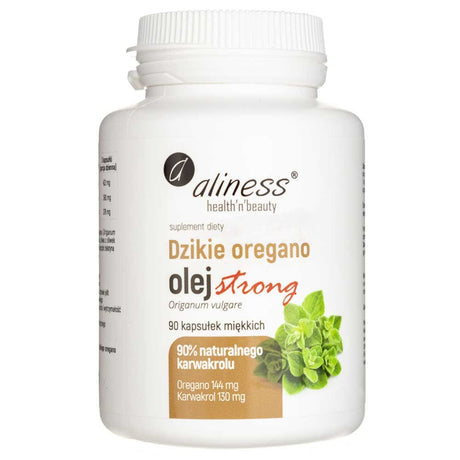


Aliness
Aliness Olio di origano selvatico FORTE 100% naturale - 90 capsule
Prezzo normale €11.29Prezzo unitario€0.13 per ciascun articolo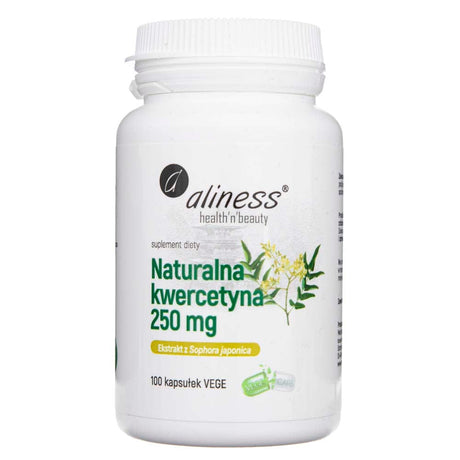


Aliness
Aliness Quercetina naturale 250 mg - 100 capsule vegetali
Prezzo normale €16.09Prezzo unitario€0.16 per ciascun articolo


Swanson
Swanson Complesso di resveratrolo 180 mg - 60 capsule
Prezzo normale €9.49Prezzo unitario€0.16 per ciascun articolo


Come preparare e utilizzare il tè al cisto
Per preparare un infuso di cisto, lasciare in infusione un cucchiaino di erba di cisto essiccata in circa 200 ml di acqua appena bollita per almeno 10 minuti. L'erba usata può essere riutilizzata una volta. Il sapore è decisamente erbaceo e leggermente terroso — se risulta troppo intenso, provate ad aggiungere del miele, una fetta di limone, o della menta fresca. Il tè al cisto raffreddato è un'ottima bevanda alle erbe da gustare ghiacciata nei mesi più caldi. Per dolcificare, scegli la stevia piuttosto che lo zucchero raffinato.
Chi preferisce non preparare il tè ogni giorno — o chi desidera una dose standardizzata, e misurata di polifenoli di cisto — troverà più pratico il formato in capsule. Gli estratti alcolici di cisto (in gocce) sono un'altra opzione da prendere in considerazione, poiché alcuni dei composti attivi della pianta si dissolvono più facilmente nell'alcol che nell'acqua, fornendo potenzialmente un profilo di estrazione più ampio.
Questo articolo ha solo scopo informativo e non sostituisce il parere medico. In caso di problemi di salute, gravidanza, allattamento o assunzione di farmaci, consulta un medico o un farmacista. Gli integratori alimentari non sostituiscono una dieta variata.


